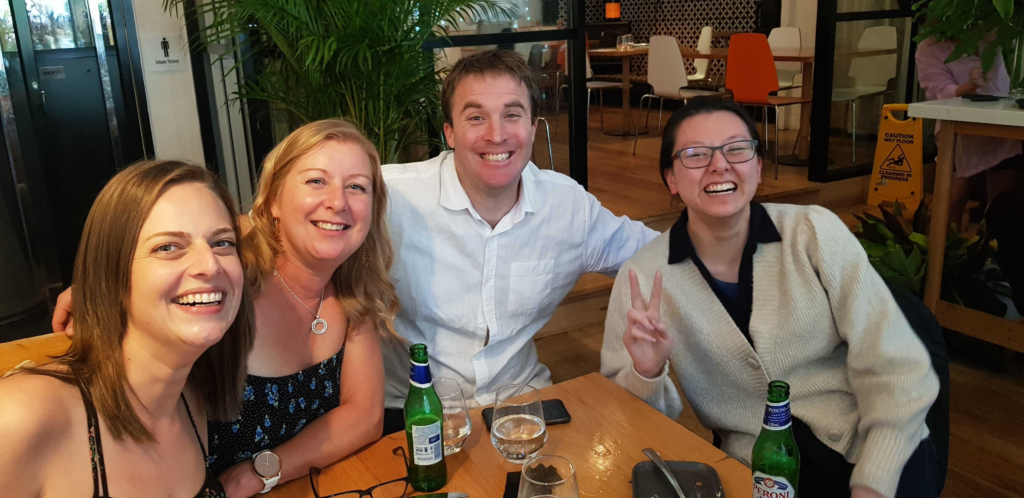
On 1 October, Next Dimension Accounting celebrates five years in business.
Five years feels like an important milestone – particularly when we look back at just how much has changed since Next Dimension began in 2021.
The business was established during the Greater Sydney lockdown, at a time when the way we worked, communicated and ran organisations was changing rapidly. Founder Brendan Lucas saw an opportunity to build an accounting firm differently: combining his experience in large accounting firms and business with technology, practical advice and a more collaborative approach to working with clients.
The goal was never simply to process the numbers. It was to help organisations understand them and use that information to make better decisions.
Five years of growth
What started as a new accounting business has grown into a team supporting organisations across bookkeeping, payroll, reporting, tax and CFO services.
Along the way, our focus has increasingly shifted towards supporting not-for-profits and purpose-driven organisations – organisations doing important work in their communities, but often navigating increasingly complex financial, funding, compliance and governance environments.
As our clients have grown, we’ve grown alongside them.
We’ve expanded our team, strengthened our systems and processes, embraced new technology and continued to evolve the way we deliver our services.
But perhaps the biggest change has been the role we’re being asked to play.
Increasingly, our work goes beyond completing an accounting function. We’re sitting alongside CEOs, Boards and leadership teams to help them understand what’s happening financially, anticipate what might be coming next and make informed decisions.
A business that has grown beyond its founder
Five years has also brought an important evolution in how Next Dimension itself is led.
In late 2025, Jo Fahd stepped into the role of CEO, while Brendan moved into the role of Founder and Head of Strategy.
It marked an important transition from a founder-led business towards a stronger, team-driven organisation – and one designed to continue growing well beyond its first five years.
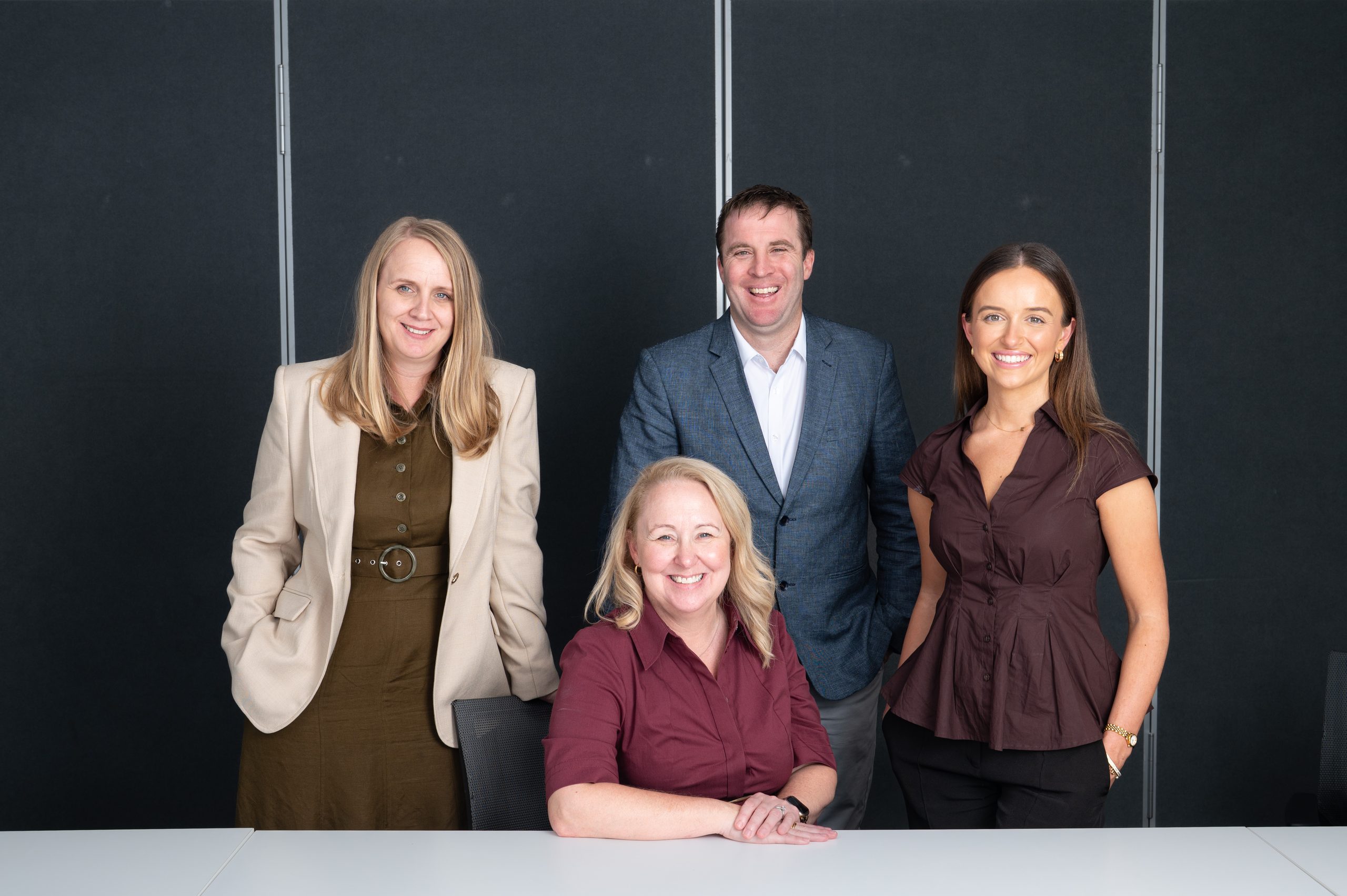
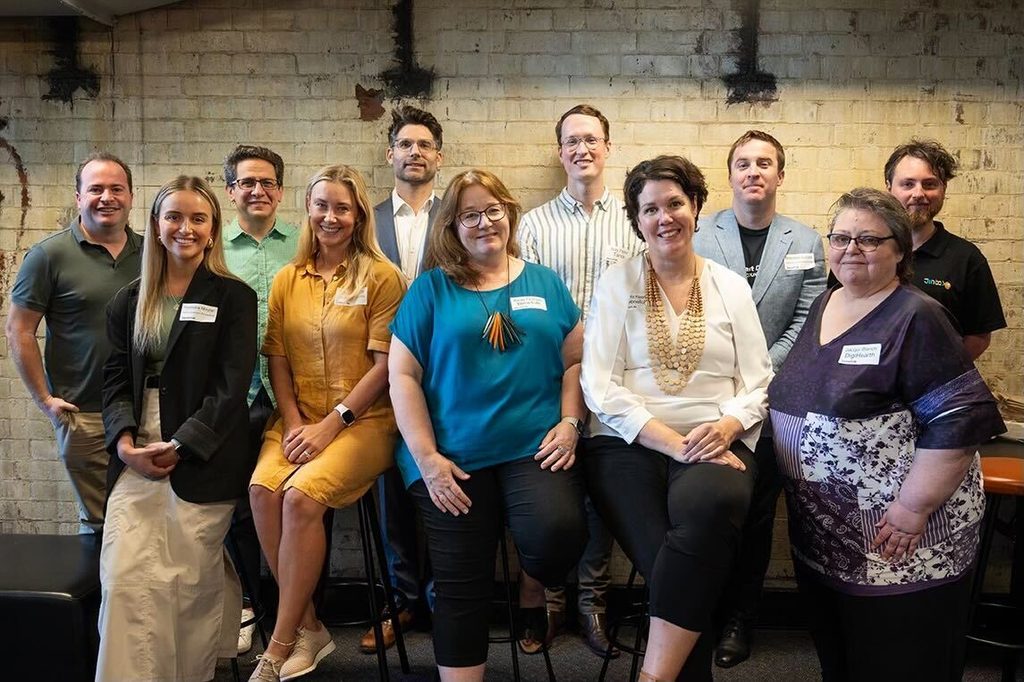
Our broader team has grown too, bringing together people with different backgrounds, experiences and areas of expertise. That depth is increasingly important as the challenges facing our clients become more complex.
While a lot has changed, the thinking behind Next Dimension remains remarkably consistent: good financial management should give people clarity and confidence, not just another report to read.
The people behind the five years
Of course, five years of Next Dimension isn’t really a story about numbers.
It’s about people.

It’s the team members who have helped build the business, challenged how we do things and continued to raise the standard of what we deliver.
It’s the referral partners and broader NFP community who have trusted us enough to recommend Next Dimension to organisations in their networks.
And most importantly, it’s our clients.
Some have worked with members of our team since before Next Dimension existed. Others have joined us much more recently. We’ve been fortunate to work alongside organisations through periods of growth, leadership changes, funding challenges, system transformations and plenty of unexpected problems along the way.
Being trusted with an organisation’s finances is something we don’t take lightly, and we’re incredibly grateful to every client who has chosen to work with us over the past five years.
Looking towards the next five
Reaching five years gives us an opportunity to celebrate how far we’ve come – but we’re even more excited about where we’re heading.
The accounting profession is changing quickly. Technology and AI are changing how finance teams operate, while organisations increasingly expect faster information, stronger insights and more strategic support from their accountants.
For us, that’s an exciting opportunity.
We’ll continue investing in our people, technology and services while finding better ways to give decision-makers timely financial information they can actually understand and use.
Five years ago, Next Dimension started with an idea about doing accounting differently.
Today, we have a growing team, incredible clients and partners, and an even clearer idea of the kind of accounting firm we want to be.
To everyone who has been part of the journey so far – thank you.
Here’s to five years of Next Dimension Accounting, and to the next dimension of what’s ahead.